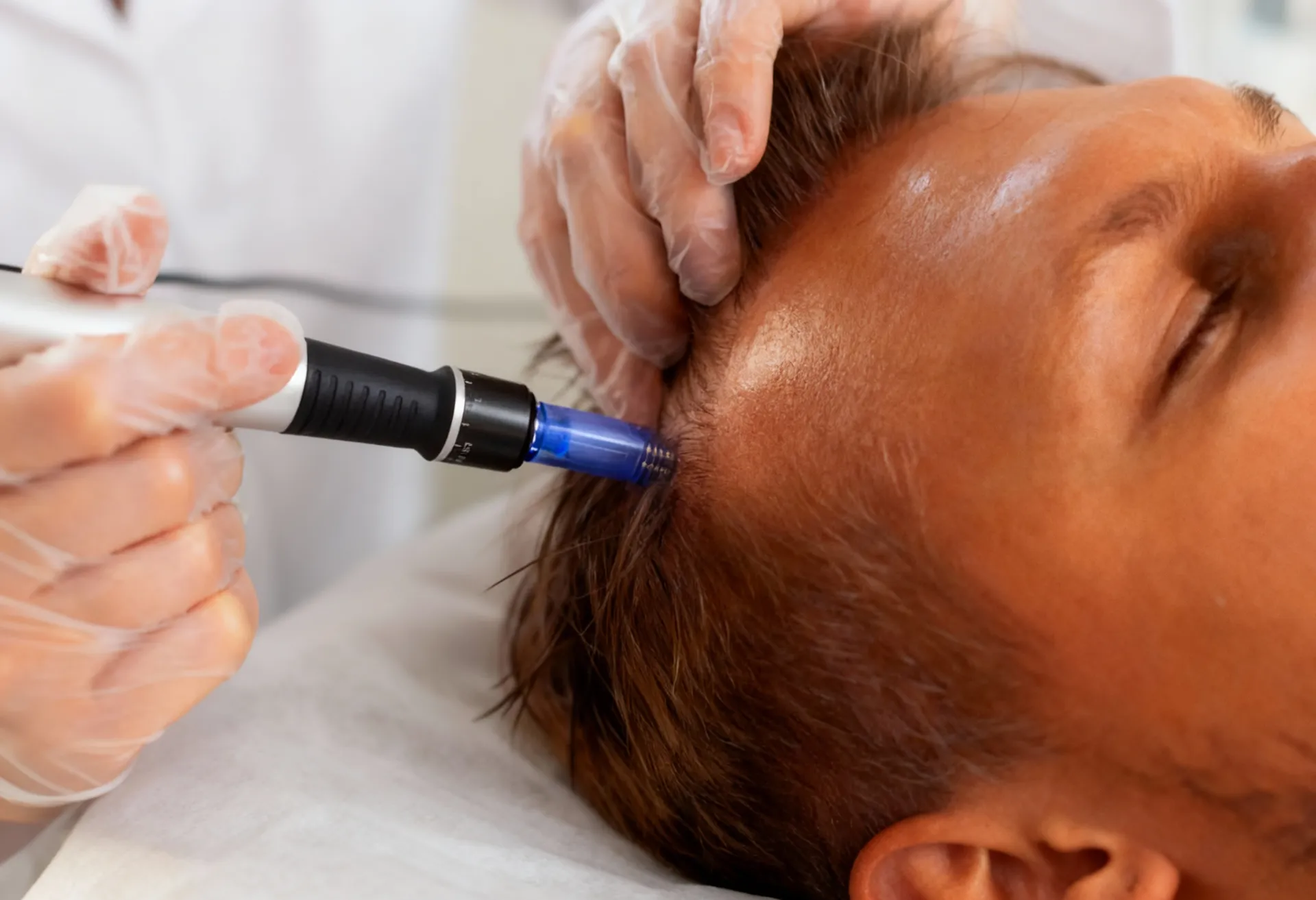

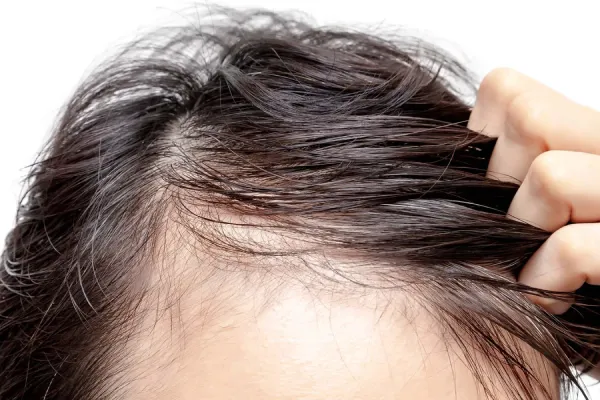
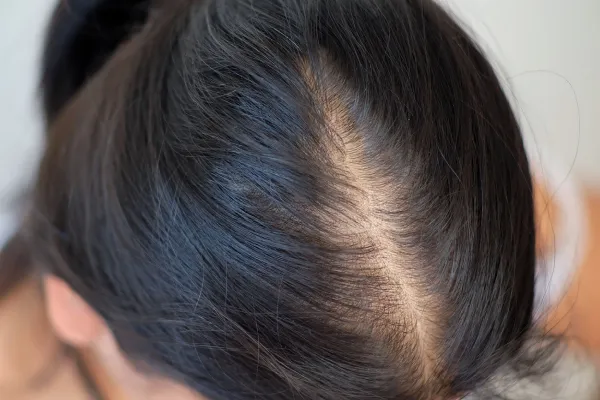
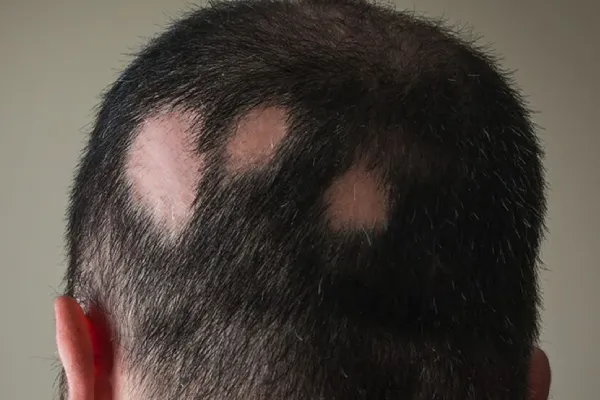
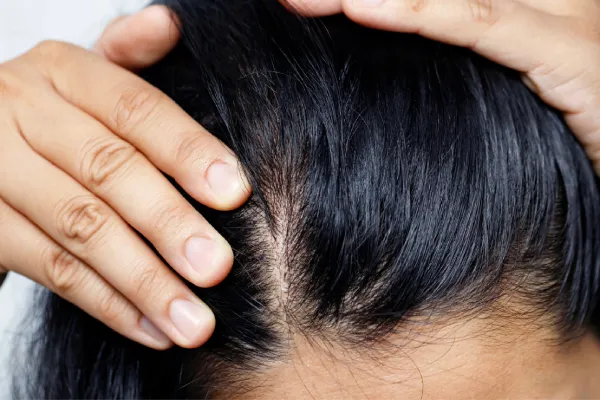
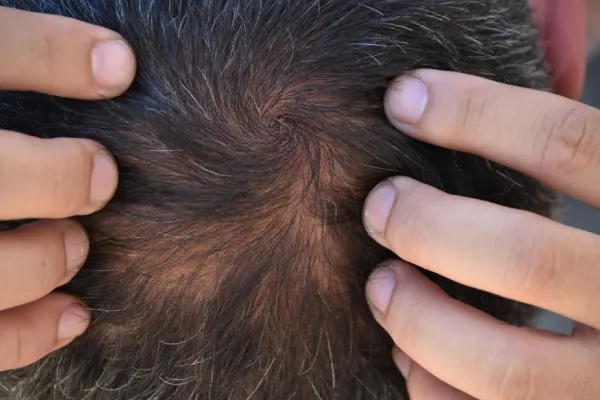
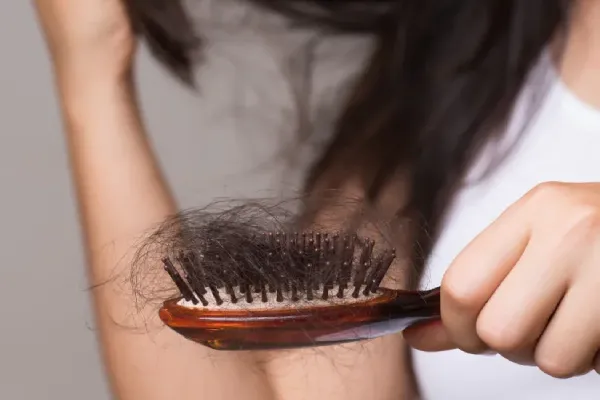
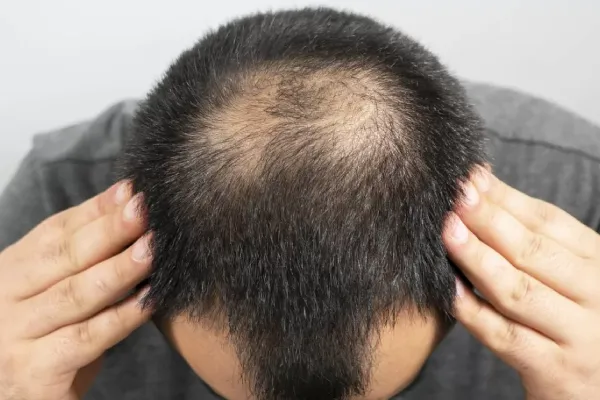









Hair loss can affect anyone—men and women alike—and it can impact confidence and self-esteem. Hair transplant surgery has become a trusted solution for people looking to restore their hair naturally. In this post, we’ll cover what hair transplant surgery is, how it works, and what to expect before, during, and after the procedure.
What Is Hair Transplant Surgery?
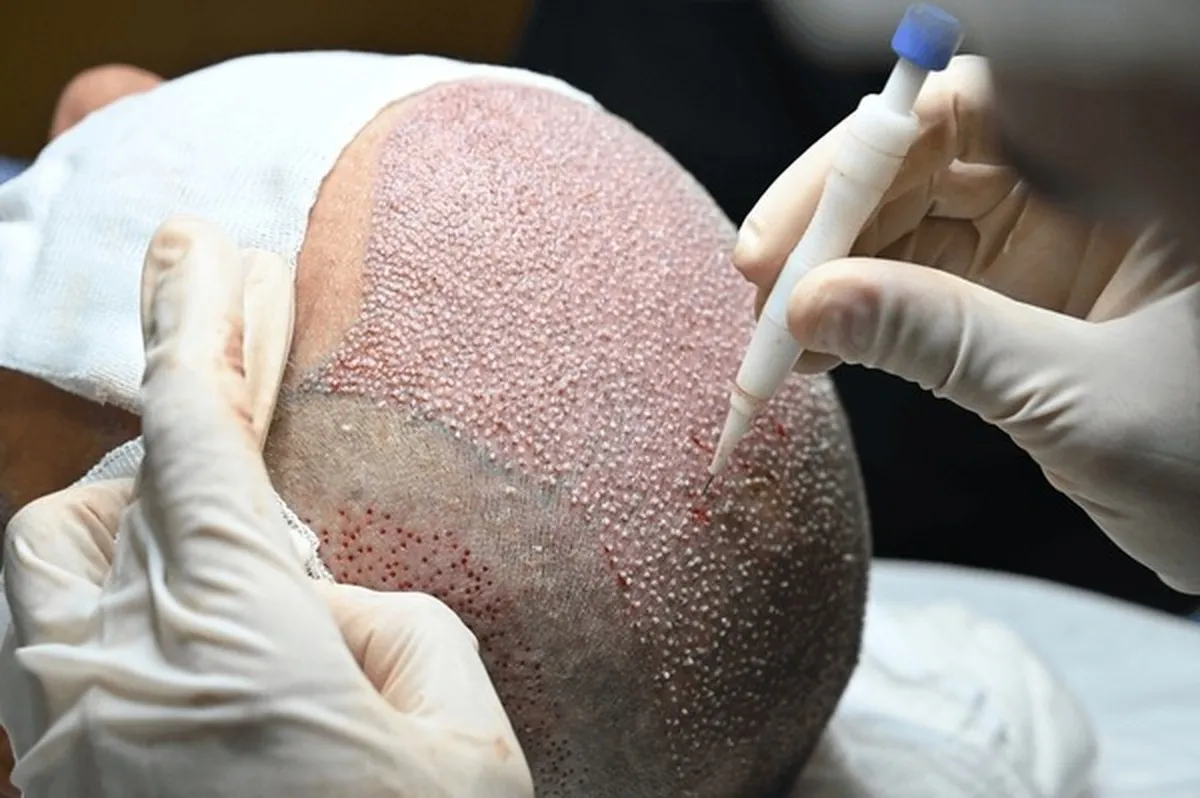
Hair transplant surgery is a medical procedure where hair follicles are moved from one part of the body (usually the back or sides of the scalp) to areas experiencing hair loss. This method helps promote natural hair growth in bald or thinning regions. The procedure is safe, minimally invasive, and offers long-lasting results when done by a qualified surgeon.Types of Hair Transplant Surgery
FUE (Follicular Unit Extraction)
- Individual hair follicles are extracted and transplanted.
- Leaves minimal scarring.
- Quick recovery time.
FUT (Follicular Unit Transplantation / Strip Method)
- A strip of scalp is removed from the donor area.
- Follicles are separated and transplanted.
- Slightly longer recovery but effective for larger areas.
Who Is a Good Candidate?
- Men and women with pattern baldness.
- People with healthy donor hair (usually at the back or sides of the scalp).
- Individuals without medical conditions that prevent healing.
What to Expect During the Procedure
- Consultation & Planning – Your surgeon assesses hair loss and designs a natural hairline.
- Preparation & Anesthesia – Local anesthesia is applied to minimize discomfort.
- Transplantation – Follicles are extracted and implanted carefully in thinning areas.
- Post-Procedure Care – You may experience redness or mild swelling, which usually subsides in a few days.
Recovery and Results
- Most patients resume normal activities within a few days.
- Transplanted hair may shed in the first few weeks, which is normal.
- New hair growth usually starts within 3–4 months, with full results visible around 12 months.
Benefits of Hair Transplant Surgery
- Natural-looking hair growth
- Permanent solution for hair loss
- Boost in confidence and self-esteem
- Minimal downtime compared to other treatments
Precautions and Considerations
- Choose a qualified, experienced surgeon.
- Follow all post-operative instructions for best results.
- Avoid smoking, alcohol, and harsh chemicals during recovery.